
In the 19th century, life was vastly different from what we know today. One aspect of this era that has always fascinated me is the boarding house. These homes were a place of refuge for travelers, immigrants, and even young women who worked in the city. In this blog post, we’ll delve into what life was like in a 19th century boarding house and discover the unique challenges and joys that came with living in one.
Imagine stepping inside a dimly lit hallway, the scent of cooking wafting through the air. The creaky floorboards beneath your feet echo with each step as you make your way to your room. The walls are thin, and you can hear the soft murmur of conversations, the rustling of paper, and the occasional snore of your fellow boarders. This was the reality for many individuals who lived in boarding houses during the 19th century. From the bustling streets of New York City to the quiet countryside of New England, boarding houses provided a unique experience to those who called them home.
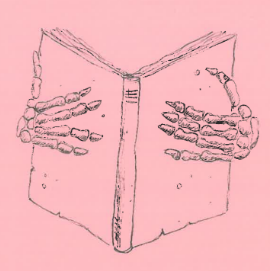
My story “The Boarding House Séance” takes place in a boarding house for teenaged boys. The main character and his friend are attending a private school where the freshman dormitory has burned down. So the students are farmed out to a poor woman named Mrs. Mullaney.
Taking in Boarders
During the 19th century, many women found themselves in need of a way to earn a living. The Civil War left many women widowed, often with children. Women were not allowed higher education, and their job opportunities were limited. Renting rooms to strangers, as Mrs. Mullaney did in “The Boarding House Séance,” was one of the few options available to them.
Running a boarding house was not an easy task. It required management skills to meet the demand of their boarders, as well as responsibility to provide quality services. And let us remember the time period: preparing dinner was an all-day affair; drawing water to clean floors might require a trip to the well. Keeping the house warm (and the tenants fed) required a constant flow of firewood or coal. It wasn’t always easy to keep costs low. And buying ingredients for at least two hearty meals per day was not a matter of zipping off to the store.
Living in a 19th Century Boarding House
During the 19th century, the Industrial Revolution caused many men to leave home for the first time to find work. Oftentimes rootless and unable to depend on family, these workers found boarding houses an attractive opportunity. After a long day of hard work at machines, the idea of not having to worry about feeding yourself (breakfast and supper were included in the weekly rate) or other domestic matters (the landlady, perhaps with a hired girl to help, would do laundry for an additional fee). And with communal dining and parlors, a social life was built-in.
It wasn’t only men who used boarding houses. Some catered to immigrant families. During the 1830s in Lowell, Massachusetts, the mill girls lived in them. Sometimes, as in “The Boarding House Séance,” they served a student clientele.
The quality of boarding house living was not always great. Privacy and control were lost in shared spaces. The landlady set the rules about alcohol, visitors, and curfew. Space could be cramped, and boarding houses, landladies, and roommates varied in quality.
The Problem With Boarding
As anyone who has ever had a roommate knows, sometimes you are a hostage to the personalities around you.
The majority of the tenants had to share a room, and sometimes a bed. Showing responsibility and respecting each other’s space are not qualities innate in everyone.
And that is the problem in the story “The Boarding House Séance.” The living situation contributes to the constant bullying faced by the main character and his only friend, and their overwhelmed landlady Mrs. Mullaney turns a blind eye. They are helpless until an opportunity to take control arises. One of the boys is willing to seize it.






Leave a comment